13 Medicinal Plants Worth Planting
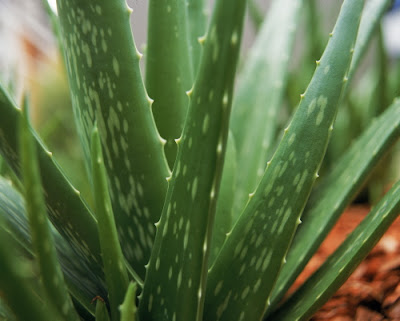
The aloe vera grows only under the sun with well drained dry or moist
soil. Although the plant tastes like yucky, it’s still edible. The sap
from aloe vera is extremely useful to speed up the healing and reducing
the risk of infections for :
- wounds
- cuts
- burns
- eczema
- reducing inflammation
Apart from its external use on the skin, aloe vera is also taken internally in the treatment of :
- ulcerative colitis (drinking aloe vera juice)
- chronic constipation
- poor appetite
- digestive problems
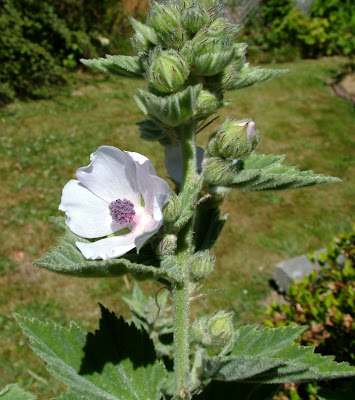
The plant of which marshmallows are made of. The root is taken internally to treat :
- inflammations and irritations of the urinary and respiratory mucus membranes
- counter excess stomach acid
- peptic ulceration
- gastritis
Externally, the root is applied to :
- bruises
- sprains
- aching muscles
- insect bites
- skin inflammations
- splinters
The leaves are very edible, unlike the aloe vera. They can be added
to salads, boiled, or fried. It is known to help out in the area of
cystitis and frequent urination.
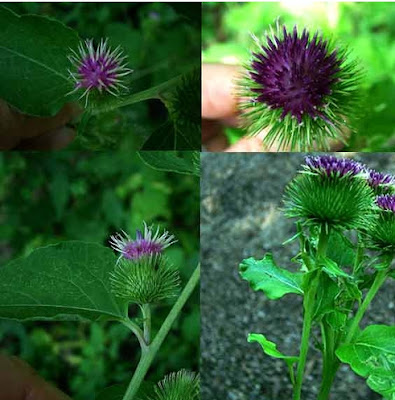
It requires moist soil and can grow shadeless. The great burdock is
the pretty famous in the area of detoxification in both Chinese and
Western herbal medicine. The root is is used to treat ‘toxic overload’
that result in throat infections and skin diseases like :
- boils
- rashes
- burns
- bruises
- herpes
- eczema
- acne
- impetigo
- ringworm
- bites
The leaves and seeds can be crushed to poultice it to bruises, burns, ulcers and sores.
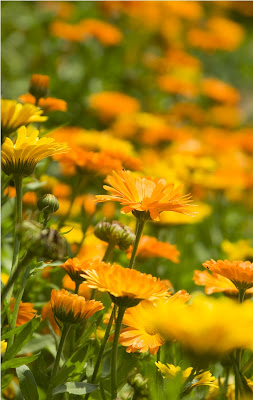
It grows in almost any type of soil condition. It has no problem with
nutritionally poor, very acidic or very alkaline soils, just as long as
it’s moist. Well known as a remedy for skin problems, the deep-orange
flowered pot marigold variety is applied externally to :
Internally it is used to treat fevers and chronic infections.
The tea of the petals tones up circulation and, taken regularly, eases varicose veins.
Applying the crushed stems of the pot marigold to
corns and
warts will soon have them easily removable.
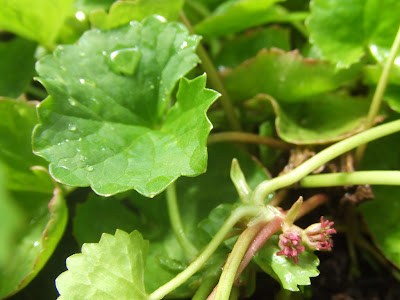
The gotu kola acts on various phases of connective tissue development and stimulates healing of :
- ulcers
- skin injuries
- decreasing capillary fragility
- stimulation of the lipids and protein necessary for healthy skin
Leaves are thought to maintain youthfulness. Crushed leaves are
poulticed to treat open sores. The gotu kola can also be used to :
- treat leprosy
- revitalize the brain and nervous system
- increase attention span and concentration
- treat venous insufficiency
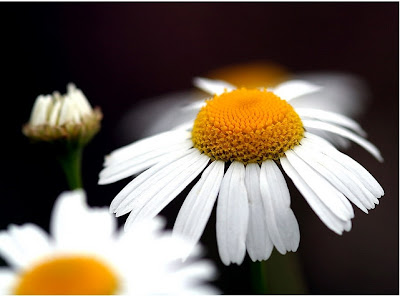
With a sweet, crisp, fruity and herbaceous fragrance, has long been
used medicinally as a remedy for problems regarding the digestive
system. It has a soothing and calming effect in the area of
aromatherapy, used to end stress and aid in sleep. The entire herb is
used to treat common aches like toothache, earache, shoulder pain and
neuralgia.
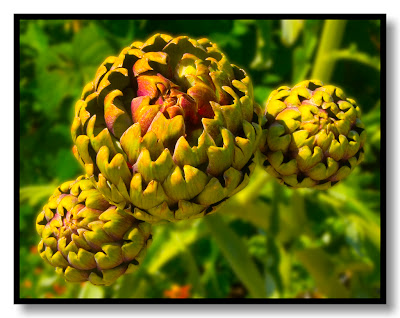
A bitter tasting plant that requires a lot of sun, the cardoon has
become important as a medicinal herb in recent years following the
discovery of
cynarin. The cardoon leaves, best harvested before flowering, helps to :
- improve liver and gall bladder function
- stimulate the secretion of digestive juices
- lower blood cholesterol levels
- treat chronic liver and gall bladder diseases
- jaundice
- hepatitis
- asteriosclerosis
- early stages of late-onset diabetes
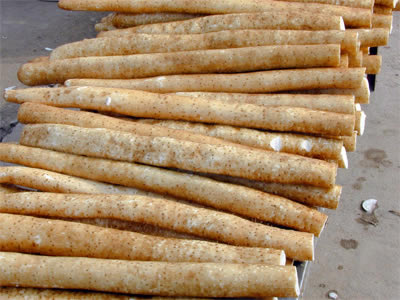
A type of yam that can be eaten raw, the chinese yam can be easily
grown, succeeding in fertile, well drained soil in a sunny position. It
is sweet and soothing to the stomach, spleen and has a tonic effect on
the lungs and kidneys. It is used internally to treat :
- tiredness
- weight loss
- loss of appetite
- poor digestion
- chronic diarrhea
- asthma
- dry coughs
- uncontrollable urination
- diabetes
- emotional instability
Externally, it is applied to :
The leaf, on the other hand, is used to treat snakebites and scorpion stings.
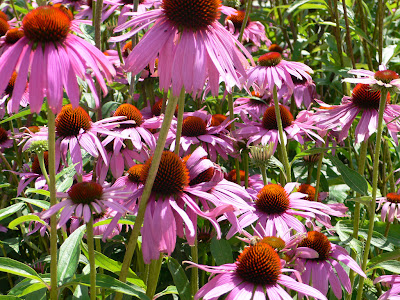
One of the world’s most important medicinal herbs, the echinacea has
the capacity to raise the body’s resistance to bacterial and viral
infections by stimulating the immune system. It also has antibiotic
properties that helps relieve allergies. Basically, the roots are
beneficial in the treatment of sores, wounds and burns. It was once used
by the red indians as an application for insect bites, stings and
snakebites. The echinacea grows on any well drained soil, as long as it
gets sunlight.
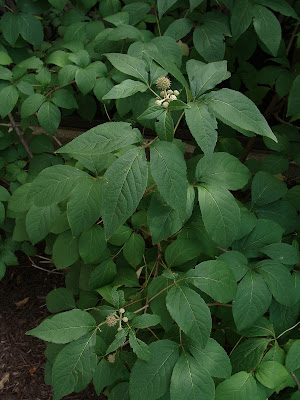
The siberian ginseng has a wide range of health benefits, mostly as a
powerful tonic herb that maintains good health. It’s medicinal
properties are used for :
- menopausal problems
- geriatric debility
- physical and mental stress
- treat bone marrow suppression caused by chemotherapy or radiation
- angina
- hypercholesterolemia and neurasthenia with headache
- insomnia
- poor appetite
- increasing endurance
- memory improvement
- anti-inflammatory purposes
- immunogenic purposes
- chemoprotective purposes
- radiological protection
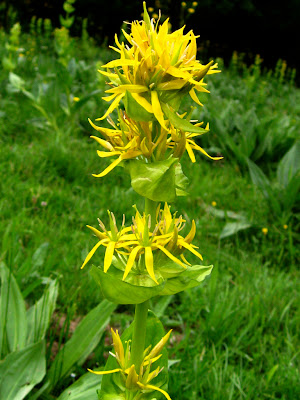
The great yellow gentian root is a bitter herb used to treat
digestive disorders and states of exhaustion from chronic diseases. It
stimulates the liver, gal bladder and digestive system, strengthening
the overall human body. Internally, it is taken to treat :
- liver complaints
- indigestion
- gastric infections
- aneroxia
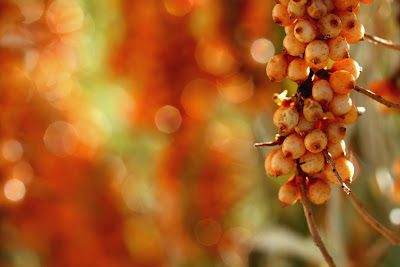
The sea-buckthorn has been used throughout the centuries in China to
relieve cough, aid digestion, invigorate blood circulation and alleviate
pain. The branches and leaves are used in Mongolia to treat
gastrointestinal distress in humans and animals.
The bark and leaves are used for treating diarrhea, gastrointestinal,
dermatological disorders and topical compressions for rheumatoid
arthritis. Even the flowers are used as skin softeners.
The berries on the other hand are used together with other
medications for pulmonary, gastrointestinal, cardiac, blood and
metabolic disorders. Fresh sea buckthorn berry juice is known to be
taken in the event of :
- colds
- fever
- exhaustion
- stomach ulcers
- cancer
- metabolic disorders
- liver diseases
- inflammation
- peptic ulcer
- gastritis
- eczema
- canker sores
- general ulcerative disorders
- karatitis
- trachoma
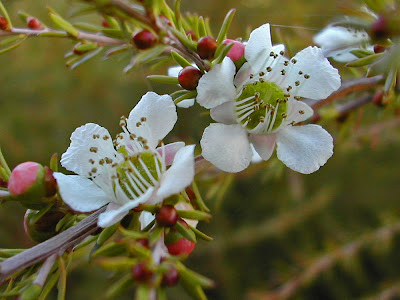
Even the aborigines have been using the tea tree leaves for medicinal
purposes, like chewing on young leaves to relieve headaches. The
paperbark itself is extremely useful to them as it serves to line
coolamons when used as cradles, as a bandage, as a sleeping mat, as
material for building
humpies, as an aluminum foil, as a disposable rain coat and for tamping holes in canoes.
The leaves and twigs, eventaully made into tea tree oil, is anti
fungal, antibacterial, antiseptic and deserves a place in every
household medicine box. Tea tree oil can be used to treat :